
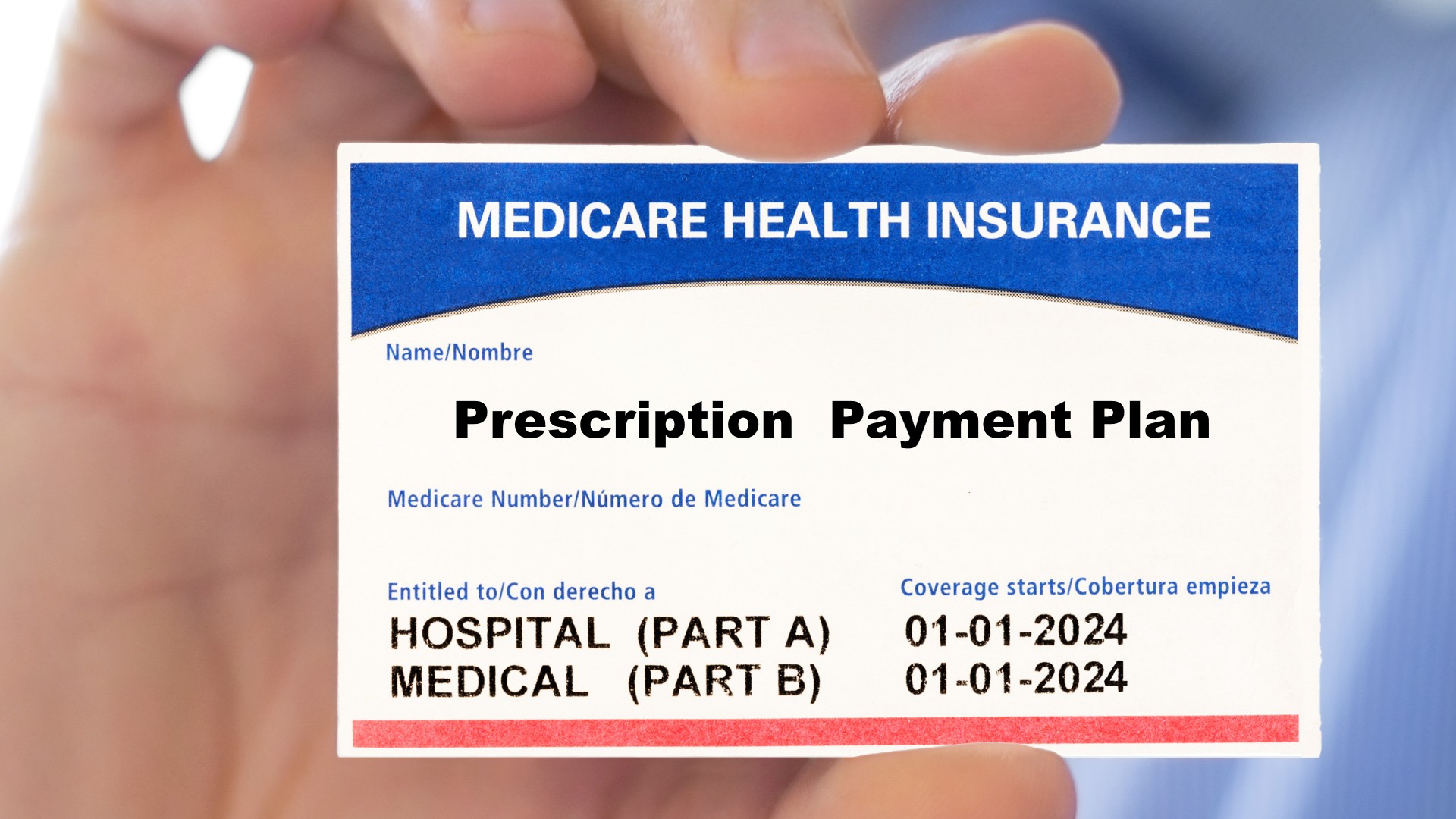
Talk about a shock. You go to pick up a prescription and you’re told you owe $120!
“Wait a minute,” you say to the pharmacist. “I’m on Medicare. I have prescription drug coverage.”
“Yes, but it doesn’t cover the entire cost of this medicine,” the pharmacist says. “The $120 is your part.”
So, you write a check or pull out a credit card and pay the bill—all of it.
For Medicare recipients, especially on fixed incomes, high out-of-pocket drug costs can be devastating. It’s why Medicare created the Prescription Payment Plan.
The payment plan works with your current drug coverage, whether it’s Medicare Part D or a Medicare Advantage plan, to spread your out-of-pocket drug costs across the calendar year, January-December. All plans offer the spread-out payment option, but your participation is voluntary.
If you decide to participate, you’ll continue to pay your drug plan premium, but rather than pay the pharmacy when you pick up a prescription, you’ll get a bill each month from your health or drug plan. Keep in mind that using this payment option doesn’t save you money or lower the cost of your drugs. It is strictly to help you manage your monthly expenses.
How bills are calculated
Your monthly bill is based on the total amount of all your prescriptions for the month plus your previous month’s balance, divided by the number of months left in the year. But your monthly payments may not stay the same if your doctor adds new prescriptions and your drug costs have to be calculated using the remaining number of months left in the year rather than all 12 months. But there’s good news. In a single calendar year (January-December) you’ll never pay more than:
- The total amount you would have paid out-of-pocket to the pharmacy if you weren’t using the prescription payment plan.
- The annual Medicare drug coverage out-of-pocket maximum.
Enrolling
To enroll, contact your health or prescription drug plan. Once they’ve reviewed your request, you’ll receive a confirmation letter that you’ve been accepted. Then:
- When you get a prescription for a drug covered by Part D, your plan will automatically let the pharmacy know that you’re participating in the prescription payment plan and you won’t pay the pharmacy for the prescription.
- Even though you won’t pay for your drugs at the pharmacy, you’re still responsible for the costs. If you want to know what your drug will cost before picking it up, you can call your plan or ask the pharmacist.
- Each month, your plan will send a bill with the amount you owe for your prescriptions, when the bill is due, and information about how to make a payment. You’ll get a separate bill for your monthly plan premium if you have one.
What happens if I miss a monthly payment
You’ll get a reminder from your health or drug plan if you miss a payment. If you don’t pay your bill by the date listed in the reminder, you’ll be removed from the Medicare prescription payment plan. You’ll be required to pay the remaining balance, but you won’t pay any interest or fees, even if the payment is late. You have the choice of paying the entire amount or be billed monthly. If you’re removed from the payment plan, you’re still enrolled in your health or drug plan.
Voluntarily leaving the payment plan
You can leave the plan any time you choose by contacting your health or drug plan. Leaving won’t affect your Medicare drug coverage or other Medicare benefits. However,
- If you still have a balance, you’re required to pay the amount you owe, even though you’re no longer participating in the payment plan.
- You can choose to pay your balance all at once or be billed monthly.
- You’ll pay the pharmacy directly for new out-of-pocket drug costs when you pick up the prescription.
What happens if I change health or drug plans
If you leave your current plan or change to a new plan, your participation automatically ends. If you still want to participate in the prescription payment plan, contact the new plan and they’ll take you through the process of getting set up with them.
Should I participate
As good as the payment plan sounds, it may not be right for you if:
- Your yearly drug costs are low
- Your drug costs are the same each month
- You’re considering signing up for the payment option late in the calendar year (especially after September)
- You don’t want to change how you pay for your drugs
- You get or are eligible for the Extra Help program from Medicare
- You get or are eligible for a Medicare Savings Program
- You get help paying for your drugs from other organizations, like a state pharmaceutical assistance program (SPAP), a coupon program, or other health coverage.
Make sure the Medicare Prescription Payment Plan, like any medical service, makes sense and is a benefit to you.
Disclaimer:
This information is presented for informational purposes only and does not constitute an offer to sell, or the solicitation of an offer to buy any investment products. None of the information herein constitutes an investment recommendation, investment advice or an investment outlook. The opinions and conclusions contained in this report are those of the individual expressing those opinions. This information is non-tailored, non-specific information presented without regard for individual investment preferences or risk parameters. Some investments are not suitable for all investors; all investments entail risk and there can be no assurance that any investment strategy will be successful. This information is based on sources believed to be reliable and Alhambra is not responsible for errors, inaccuracies, or omissions of information. For more information contact Alhambra Investments at 1-888-777-0970 or email us at info@alhambrapartners.com.


Stay In Touch